Community Voices: Advocacy in Action with United Way of Forsyth County
Each month, One Sector, One Voice Triad will highlight a member of the advocacy community who is working to elevate critical issues, inform decision makers, and drive meaningful change across our region. This series shines a light on leaders who are using their voices and platforms to strengthen the nonprofit sector and improve outcomes for the communities they serve. This month, we feature Tammy Caudill, Chief Marketing Officer of United Way of Forsyth County.
At United Way of Forsyth County, collaboration is at the heart of meaningful change. The organization brings the community and its resources together to solve problems that no single agency can address alone. Supporting 55 programs and 32 partner agencies across the county, United Way of Forsyth County identifies the community’s most pressing needs and invests strategically to address root causes, creating measurable and lasting results for families across the region.
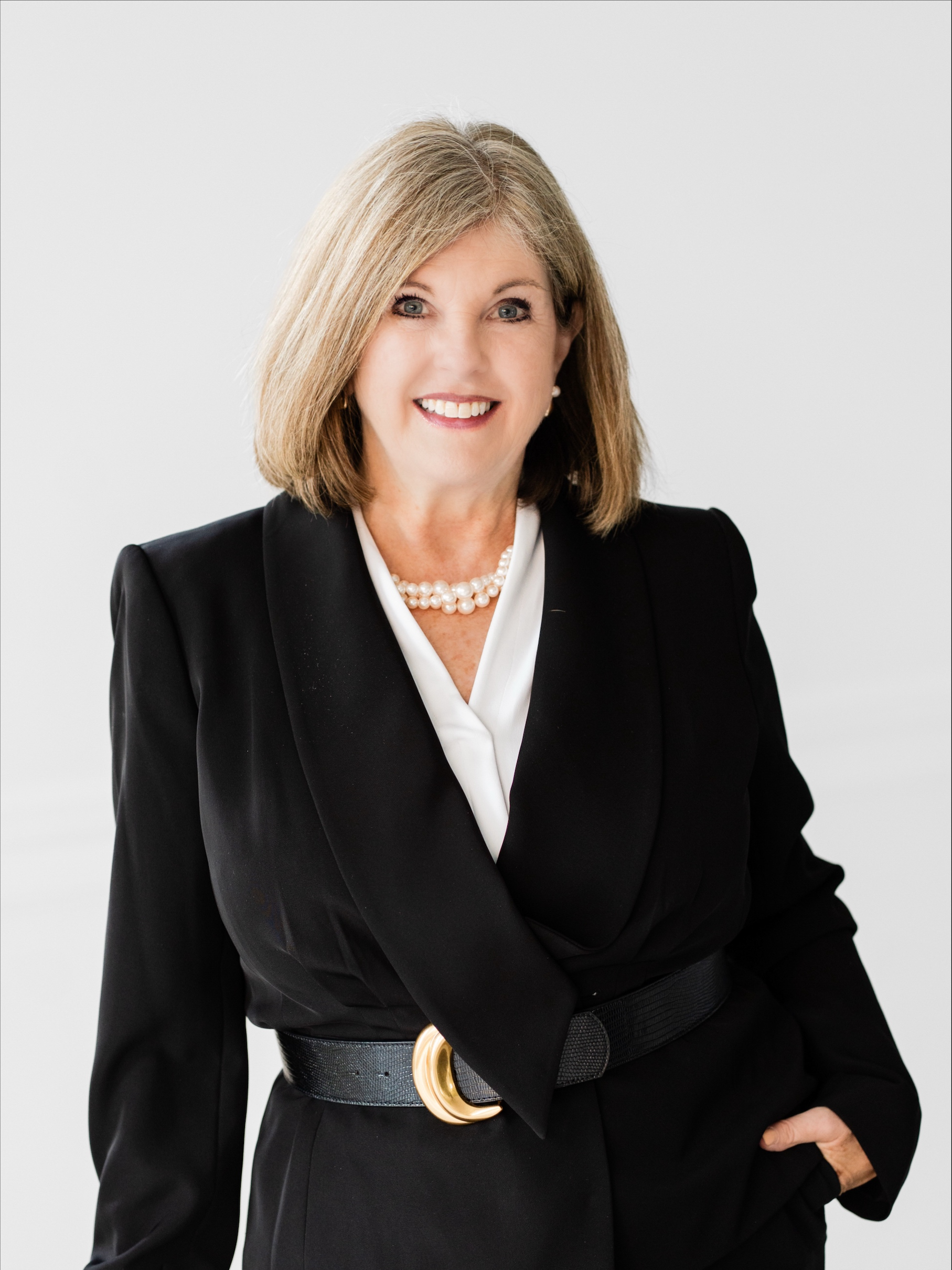
Chief Marketing Officer: Tammy Caudill
As Chief Marketing Officer, Tammy Caudill advances the United Way of Forsyth County’s mission by building awareness among diverse audiences, including government officials, media, community partners, donors, and the residents of Forsyth County. Her work ensures that critical issues affecting local families are not only recognized but clearly understood. Through research, storytelling, and strategic communication, she helps position the organization as both a convener and a catalyst for change.
“Advocacy matters because change cannot happen if those with the power to act are unaware of the problem.” - Tammy Caudill
Advocacy with United Way
For the United Way, advocacy goes beyond raising awareness. In collaboration with partners and community leaders, United Way of Forsyth County identifies the community’s most pressing needs and directs the funds it raises toward strategic investments and partnerships that address root causes and achieve measurable, lasting results. Recognizing that the most significant challenges in our community are interconnected and complex, the organization takes a coordinated approach, working alongside multiple nonprofits to create meaningful change.
A powerful example of this impact is NC 211, a statewide information and referral service supported by United Way of North Carolina. As part of the broader 211 network, which handled 16.8 million requests nationwide in 2024, NC 211 connects callers to essential resources such as housing assistance, food support, healthcare, and utility relief. Recognizing the critical role this lifeline plays for families across the state, United Way leaders successfully advocated with state legislators to secure $500,000 in funding to keep NC 211 operational, ensuring continued access to help for North Carolinians in times of need.
This commitment to accountability and strategic investment extends beyond crisis response. Volunteers on the Impact Council help assess community needs and evaluate partner proposals to ensure that every dollar invested is effective and aligned with local priorities. Through this work, United Way of Forsyth County advances solutions focused on building equitable communities, improving economic mobility, and supporting childhood and student success. The organization also leverages research and infrastructure from United Way Worldwide to inform its strategy. One example is United for ALICE, which highlights the realities families face who are Asset Limited, Income Constrained, and Employed.
United for ALICE
One of the most pressing issues highlighted by United Way of Forsyth County is the growing number of individuals identified as ALICE, which stands for Asset Limited, Income Constrained, Employed. Through the United for ALICE initiative, data reveals that 42 percent of individuals in the Piedmont Triad are living above the federal poverty line but still unable to afford basic necessities such as housing, transportation, healthcare, food, and utilities. These are working individuals and families who often do not qualify for government assistance yet struggle daily to make ends meet.
The ALICE research, including detailed county reports across North Carolina, shines a light on what is often a hidden population. These households are working and contributing members of the community but are one emergency away from financial crisis. As nonprofits face funding challenges, they are also seeing increased demand from ALICE families.
Together, this research is doing more than raising awareness. Across North Carolina, data from United for ALICE is helping policymakers, business leaders, and nonprofit partners better understand the reality facing working families who are struggling to afford basic needs. This information is shaping funding conversations, informing legislative priorities, and strengthening the case for investments in critical services like NC 211.
You can be part of that impact. Share the ALICE data with your network. Write a letter to your elected officials. Call your legislators and urge them to support policies and funding that reflect the true cost of living for working families. When community members speak up and use data to back their voices, advocacy becomes action and action leads to lasting change.

