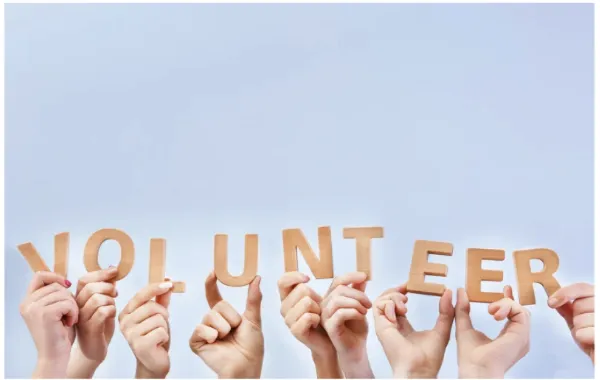
Building Volunteer Ecosystems: Preparing for National Volunteer Month
National Volunteer Month in April offers more than a moment of appreciation. For Triad nonprofits, it is an opportunity to strengthen the systems that make volunteer engagement meaningful and sustainable year-round. Building a true volunteer ecosystem means moving beyond one-time recruitment and toward relationships that reflect the community’s people, values, and needs.
Start With Purpose, Not Just Numbers
The Triad is home to a diverse mix of colleges and universities, faith communities, corporate partners, retirees, and grassroots organizations. This creates tremendous potential for collaboration, but only if nonprofits are intentional about how they invite, support, and retain volunteers. Preparation for National Volunteer Month should begin by asking a simple question: Are volunteers integrated into our mission, or treated as an extra set of hands?

Design Roles That Fit Real Lives
Strong volunteer ecosystems start with clarity. Clear roles, realistic time commitments, and meaningful impact descriptions help volunteers understand how their contributions matter. In the Triad, where many residents juggle multiple jobs or caregiving responsibilities, flexibility is essential. Offering micro-volunteering, project-based opportunities, or remote options can broaden access and equity.
Build Partnerships Across the Community
Partnerships are another cornerstone of sustainable volunteer engagement. Nonprofits can deepen impact by coordinating with local schools, universities, community colleges, and employers that encourage service. Shared calendars, joint volunteer days, and cross-promotion reduce competition for the same volunteers and reinforce a culture of collective responsibility. National Volunteer Month is a natural time to pilot these collaborations.
Invest in Volunteer Leadership
Volunteers who feel trusted and empowered often become ambassadors, donors, or board members. Training opportunities, feedback loops, and public recognition help volunteers grow alongside the organization. In the Triad, where community relationships are deeply personal, recognition does not need to be flashy. A handwritten note, spotlight story, or invitation to planning conversations can build long-term commitment.

Listen, Learn, and Adapt
Preparation also means listening. Data matters, but so do stories. What barriers are volunteers facing? What motivates them to stay? What skills are underutilized? Gathering this insight before April allows nonprofits to use National Volunteer Month not just as a celebration, but as a launchpad for improvement.
By investing now in inclusive, collaborative volunteer systems, Triad nonprofits can ensure that National Volunteer Month strengthens capacity long after April ends. Volunteers are not just helpers. They are partners in building resilient, connected communities.
For more information on how to get involved in the nonprofit community, check out the Guilford Nonprofit Consortium’s calendar and HandsOn NWNC opportunities. Stay tuned for our April blog post, where we’ll spotlight a Triad volunteer leader and share ways you can make an impact.

